Different Species
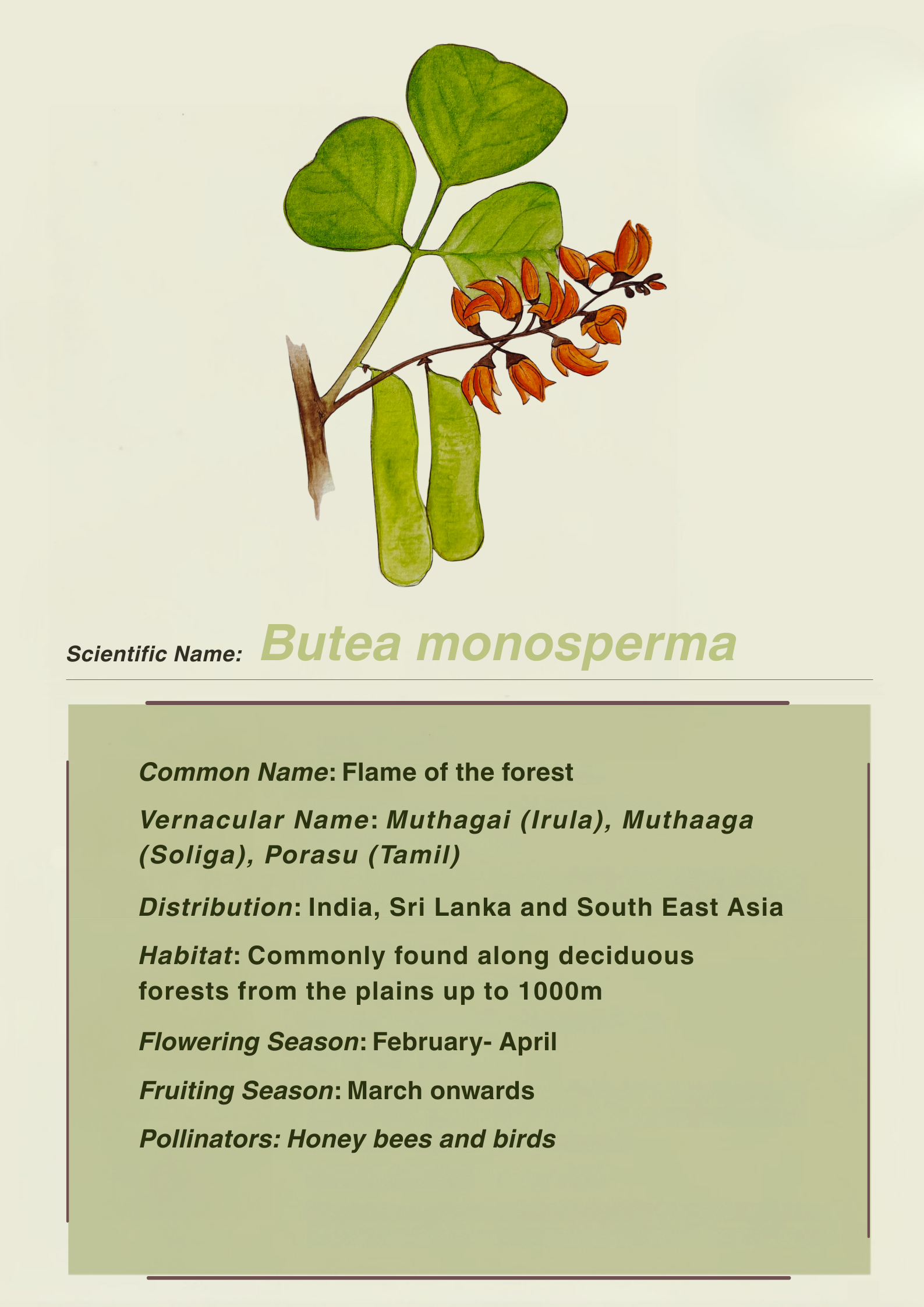
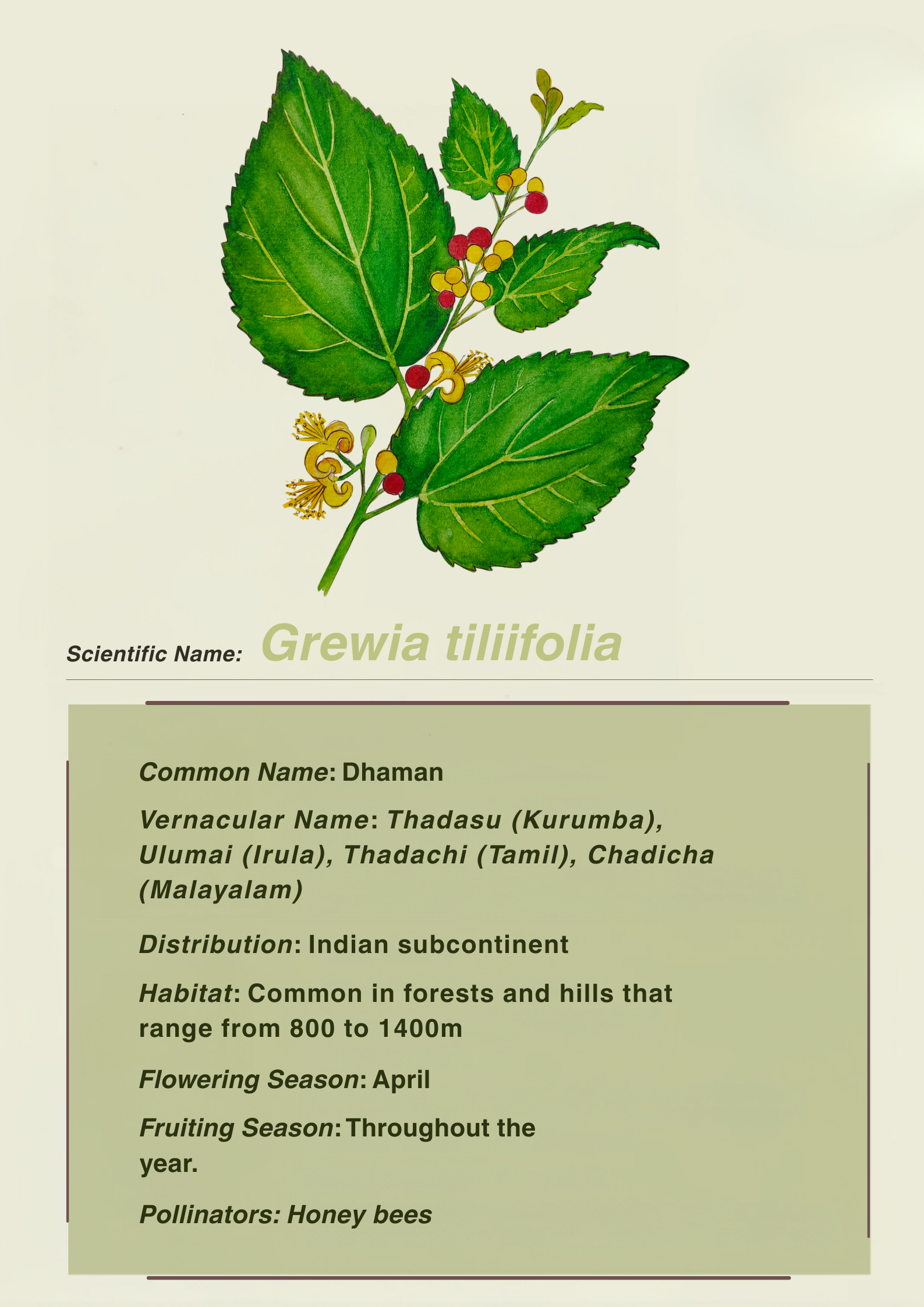
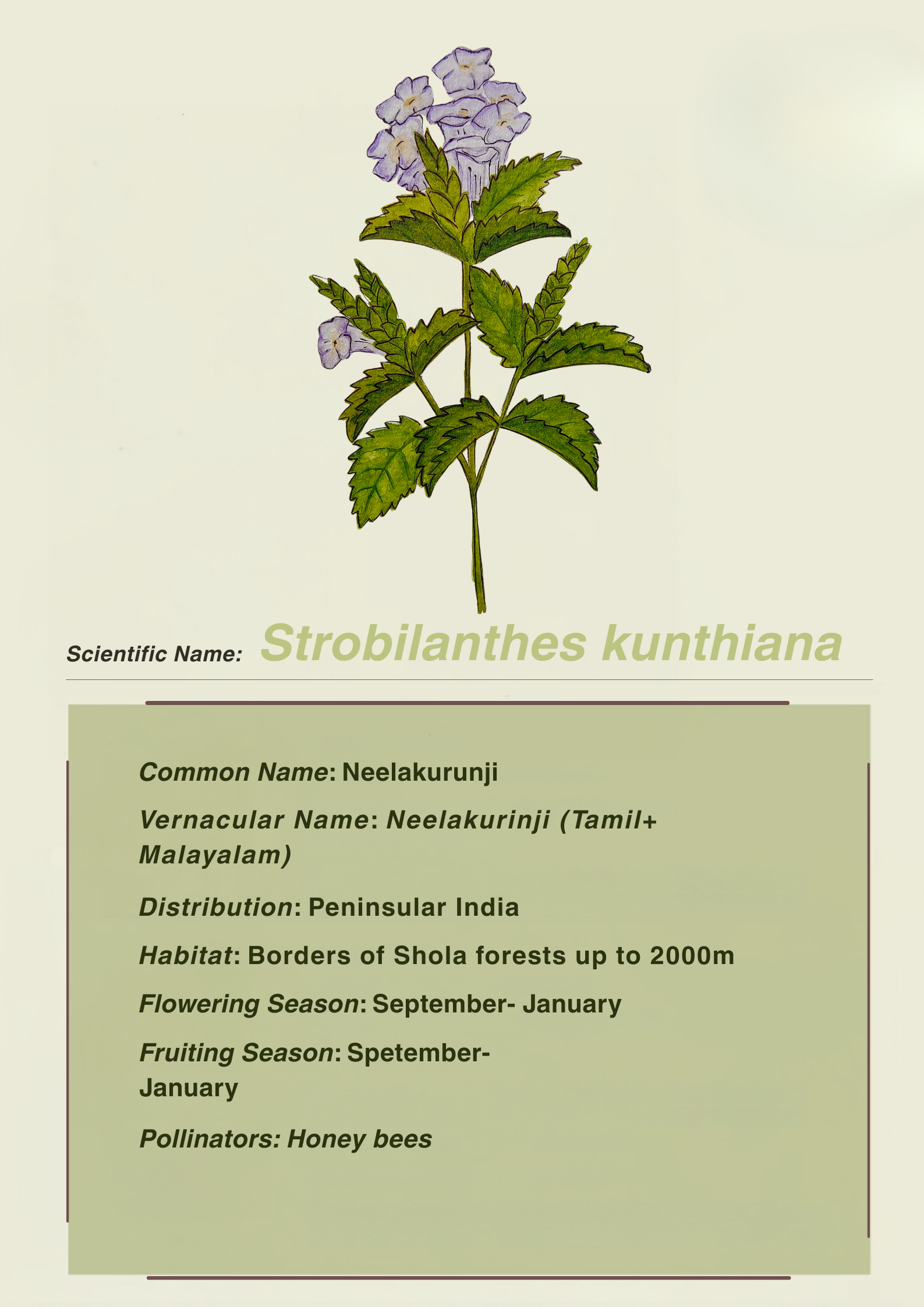
Insects are often considered the most important of all pollinators. Honeybees are the most commonly documented pollinators, along with stingless bees. Bees have been observed to be key pollinators of many crops and wild plants. Thus, they are essential within the Nilgiri Biosphere Reserve (NBR) to ensure the continued survival of many species of plants and the growth of crops.
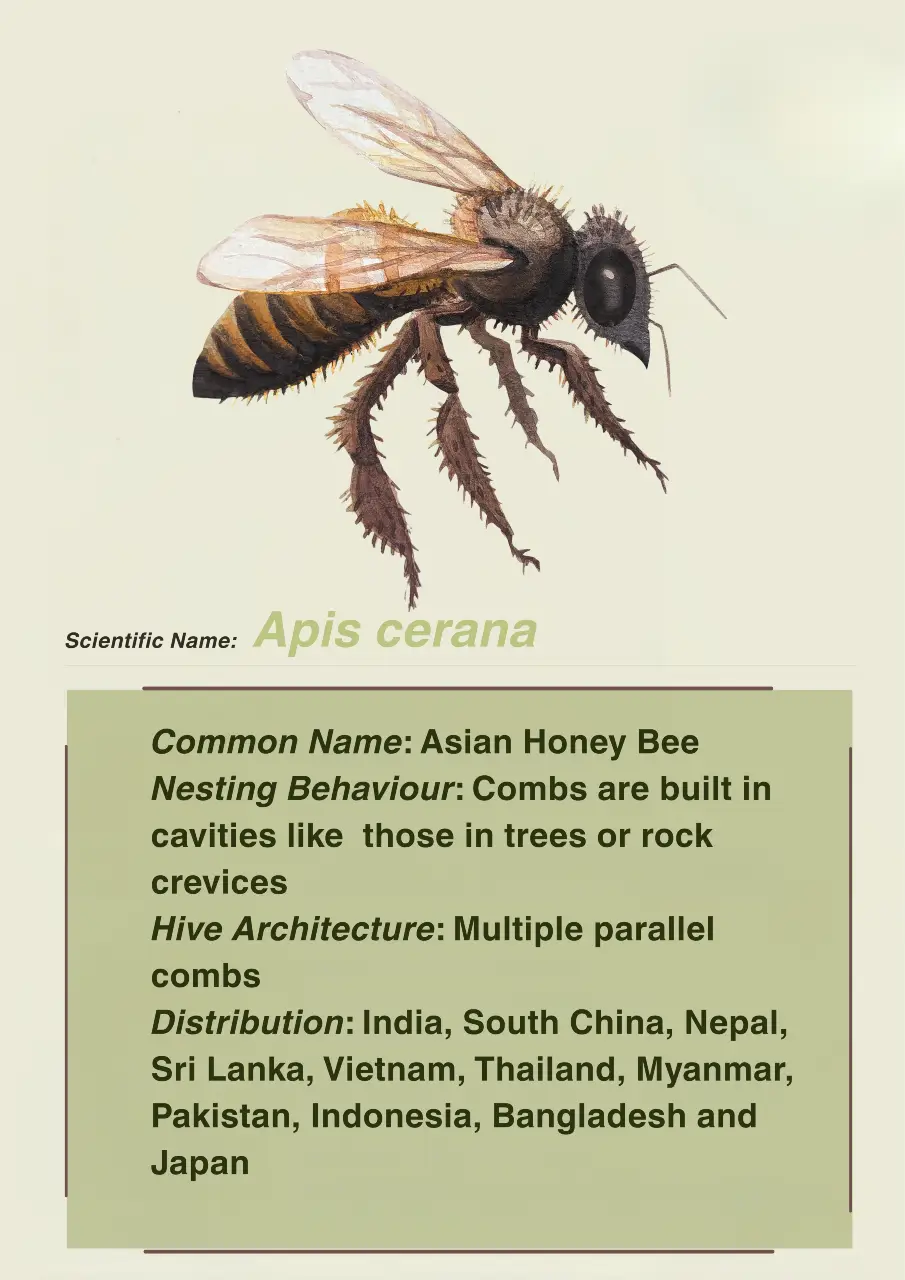
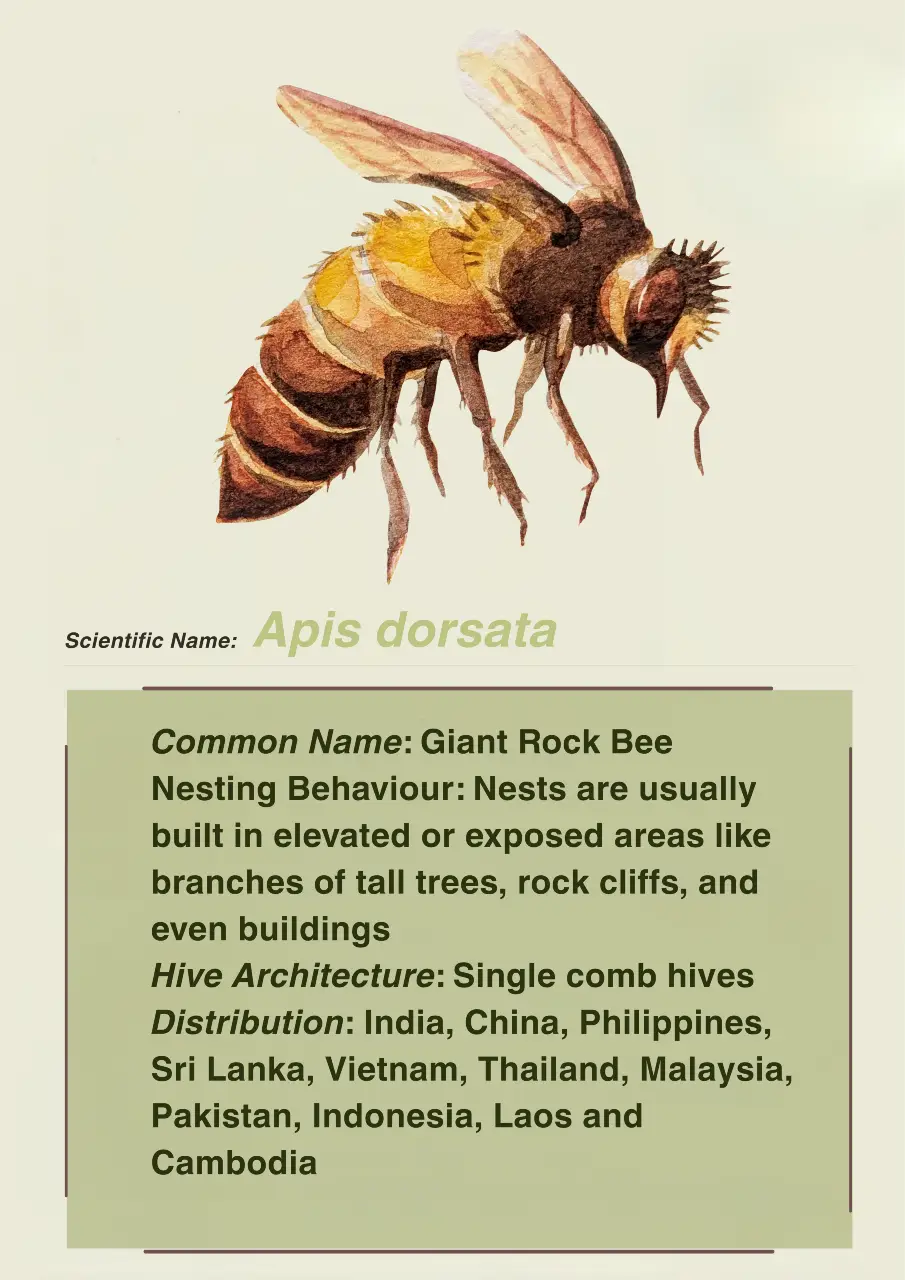
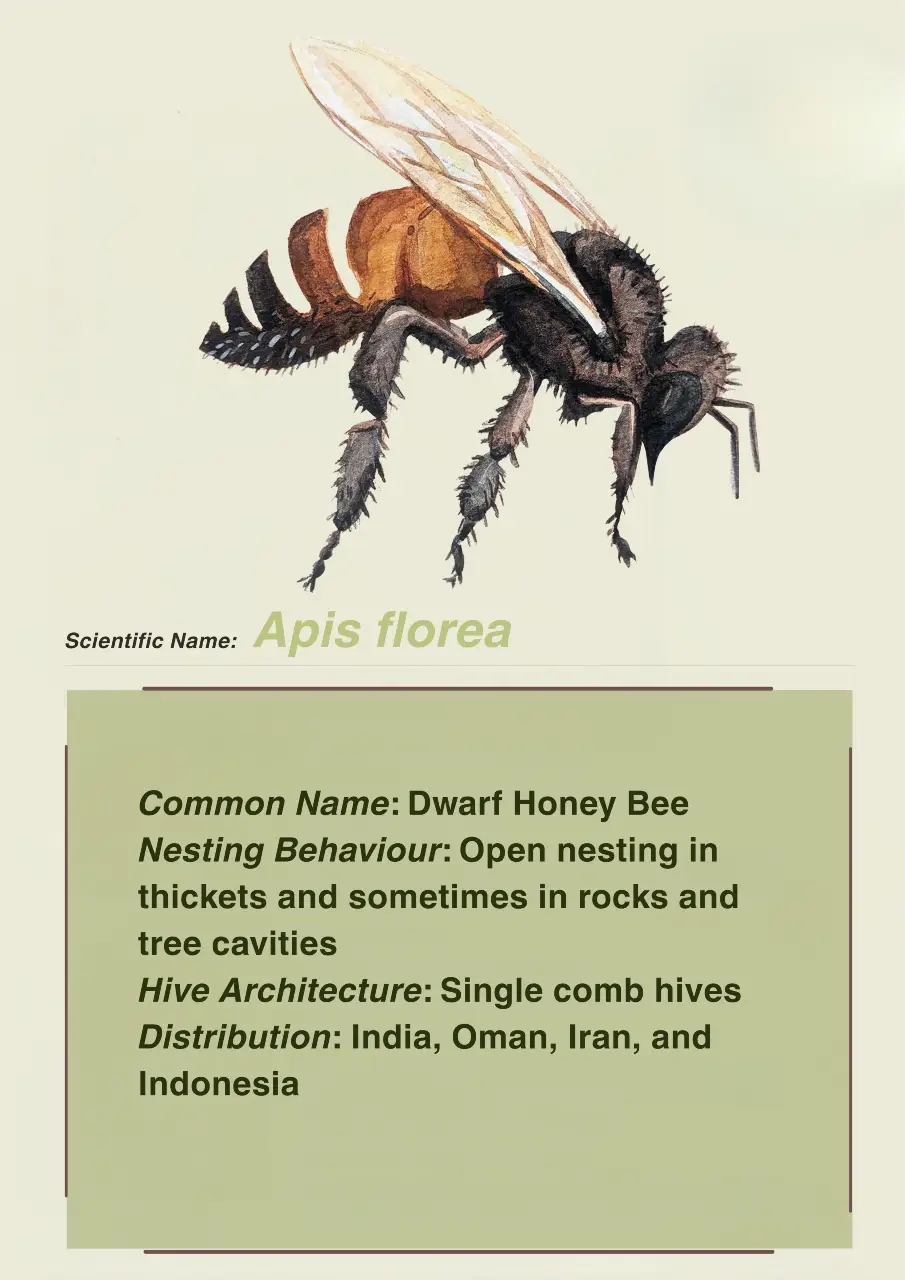
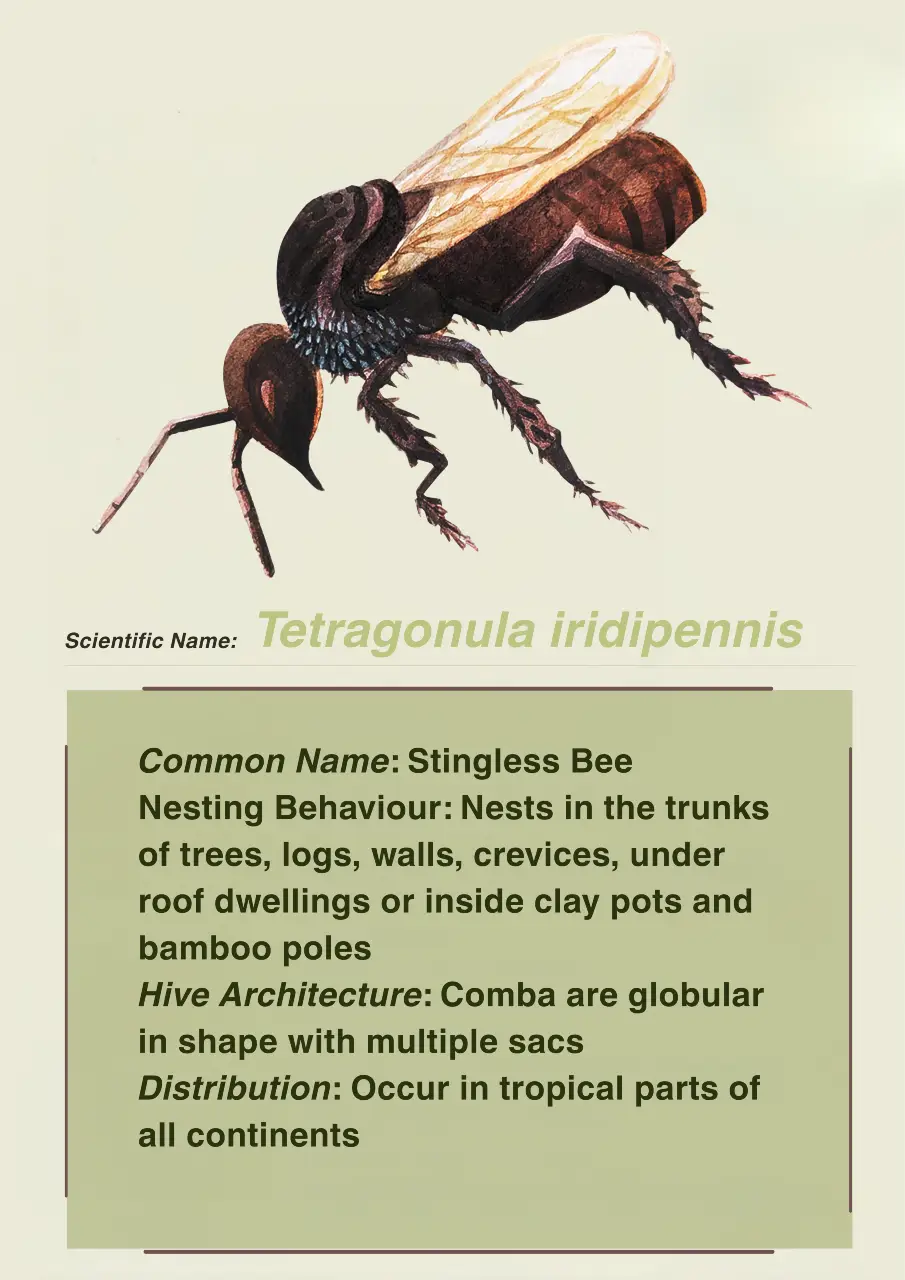
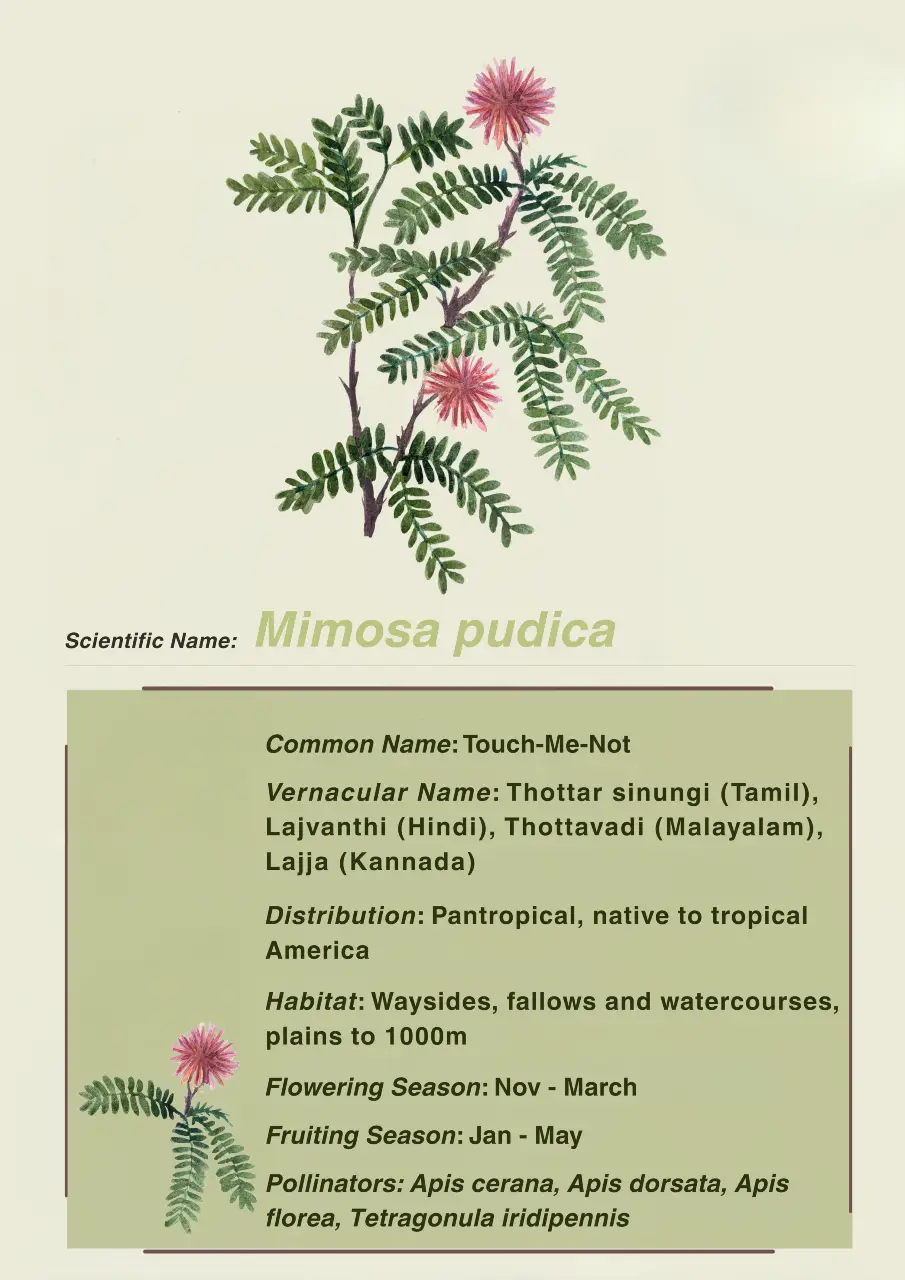
There are many different species of honey bees observed within the NBR. Apis dorsata is the largest social bee present in the NBR. They require vertical structures like cliffs and tall trees to construct their hives. They are migratory and follow the availability of floral resources. Apis cerana are medium sized bees that do not generally migrate. They generally build their hives in enclosed cavities like hollow trees. Apis florea prefer to nest in areas of dense vegetation. This species builds single comb nests and tends to migrate locally. Tetragonula iridipennis, or stingless bees are a small resident species which nest among boulders, old walls, dead trees and tree cavities. Apis karinjodian is also a newly discovered species that is found within the NBR.
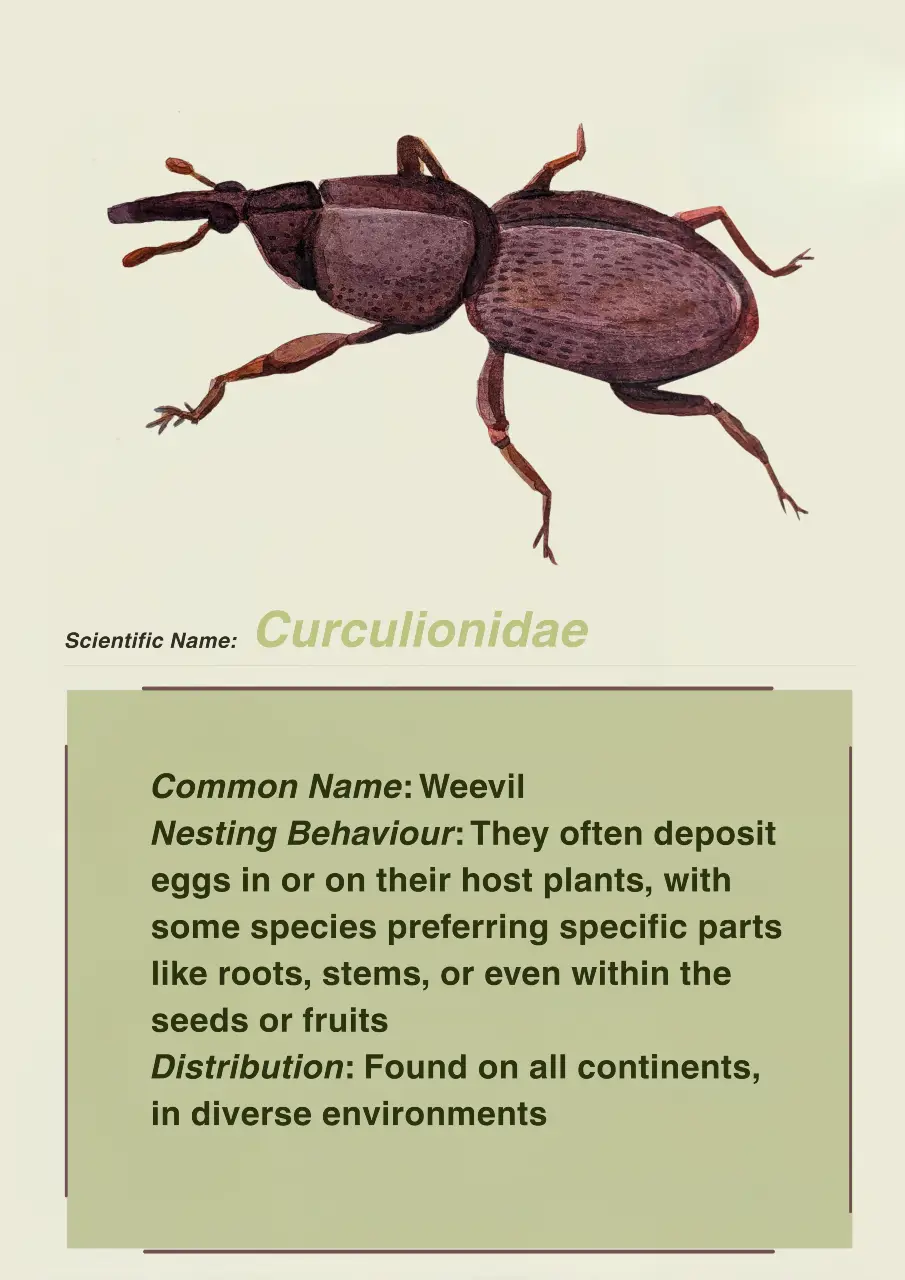
Bee flora
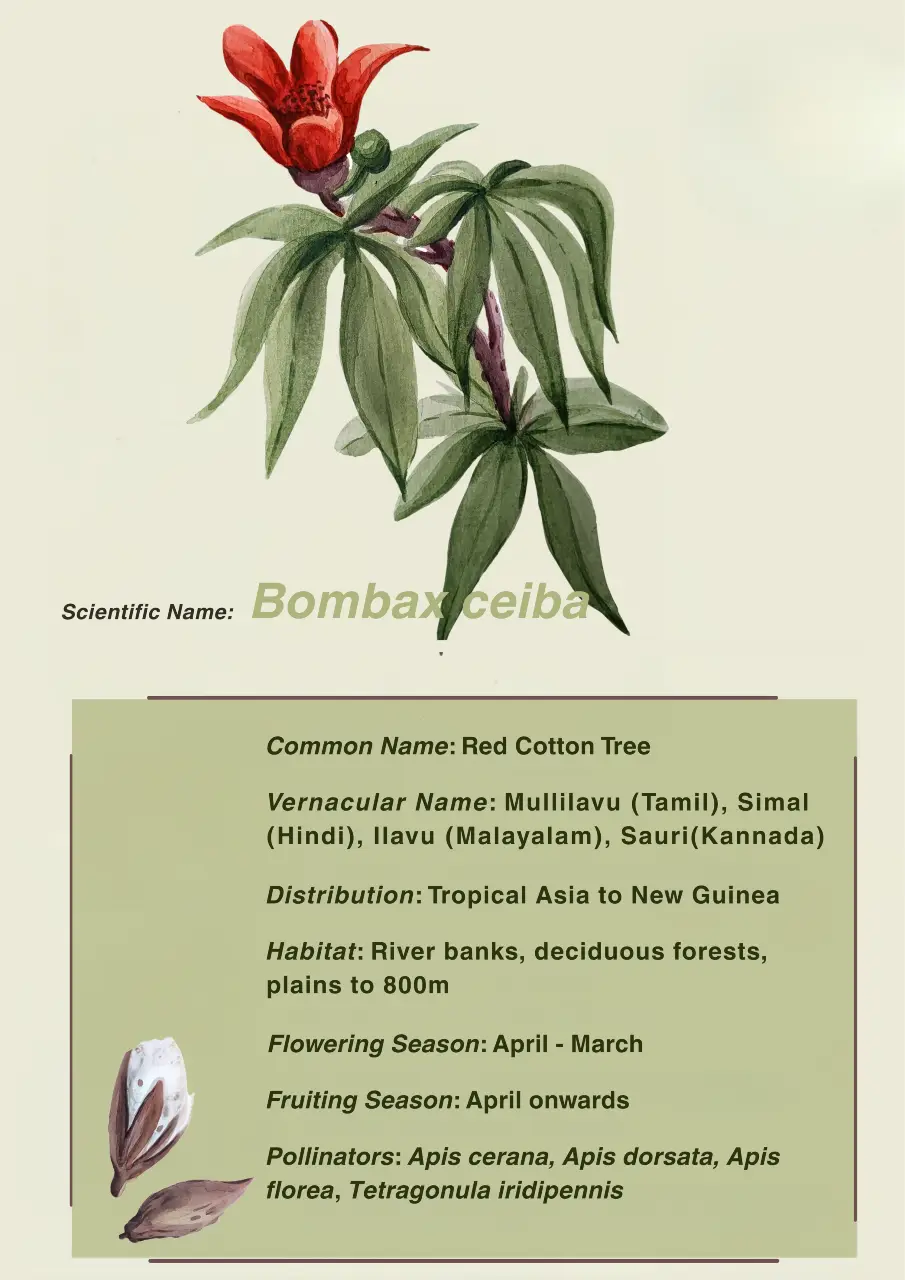
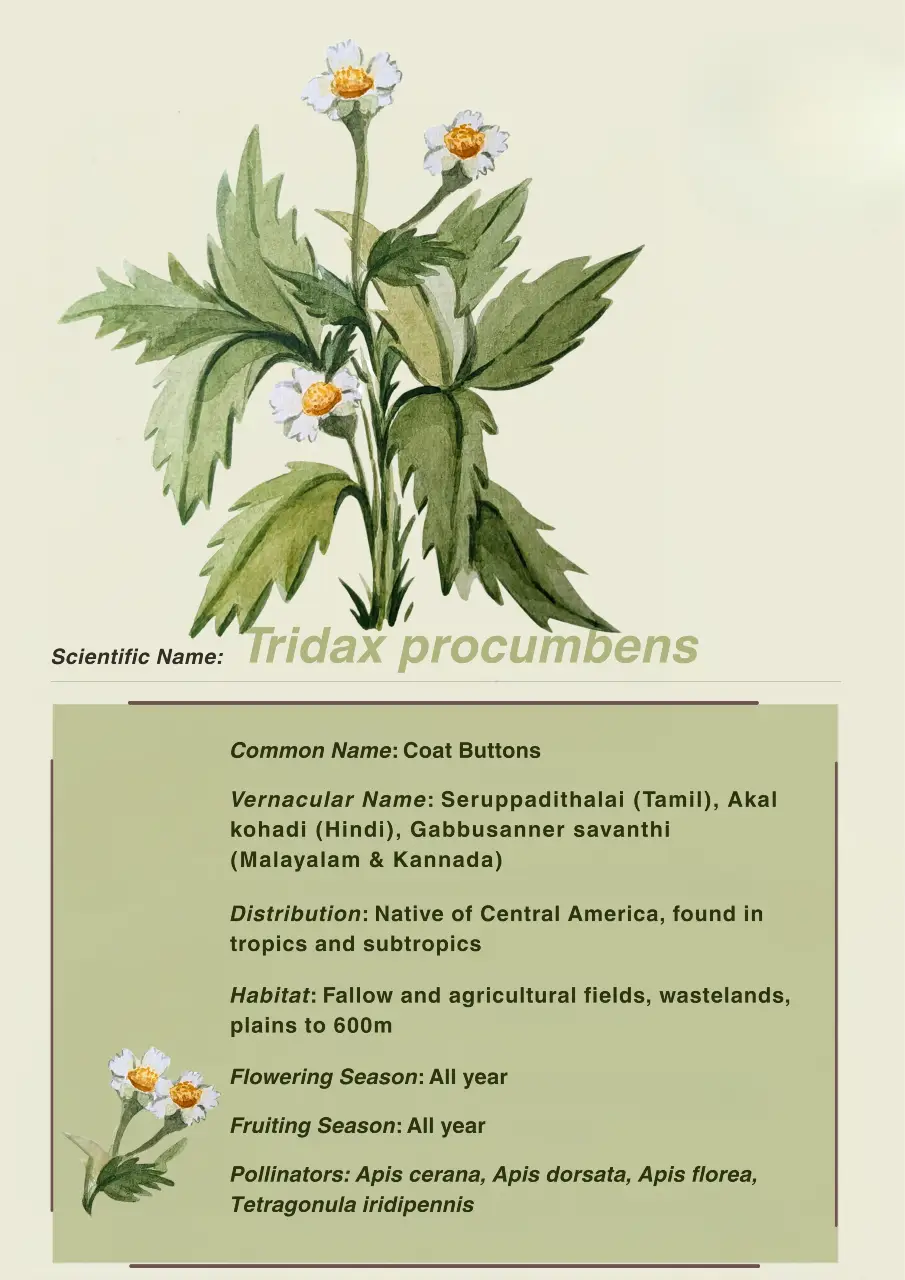
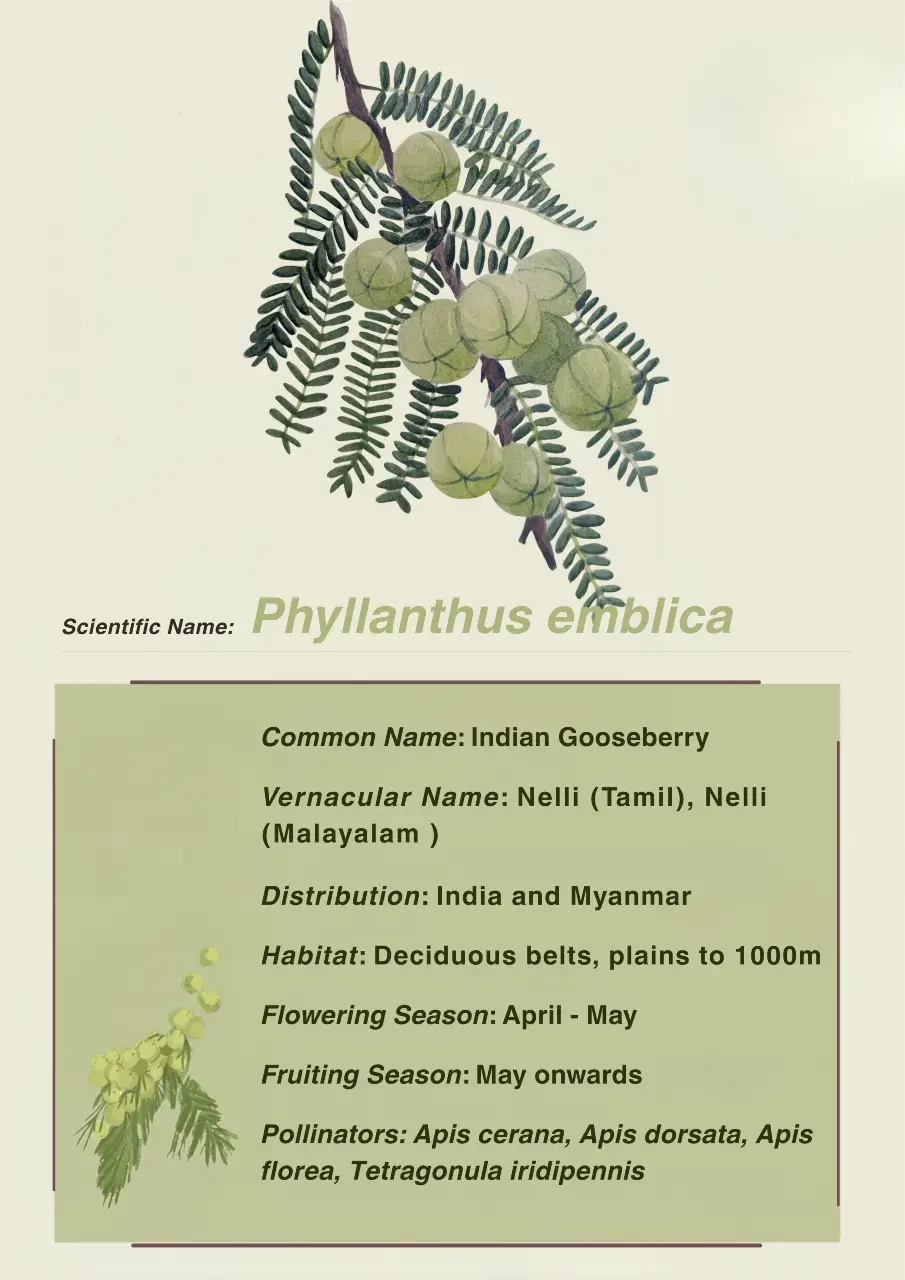
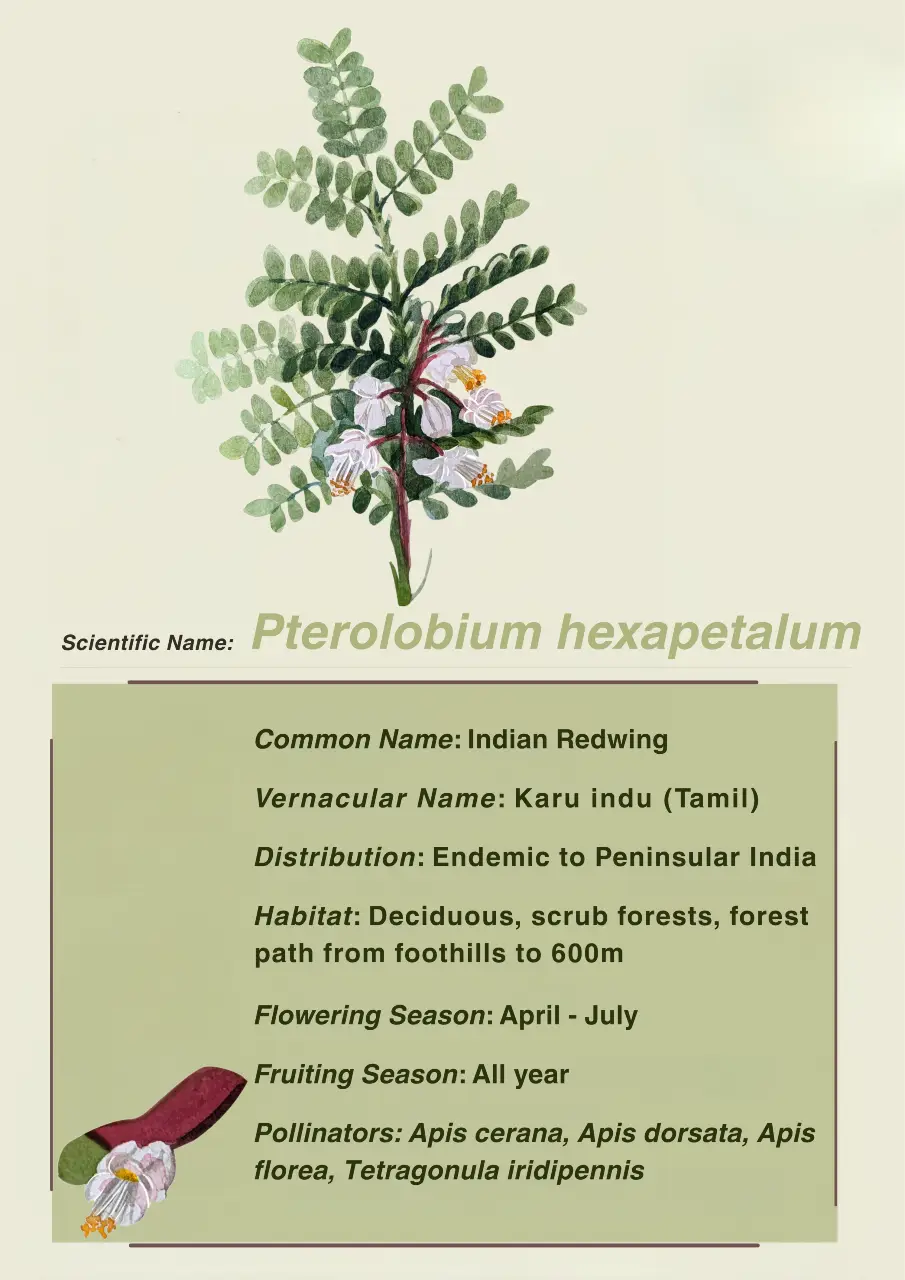
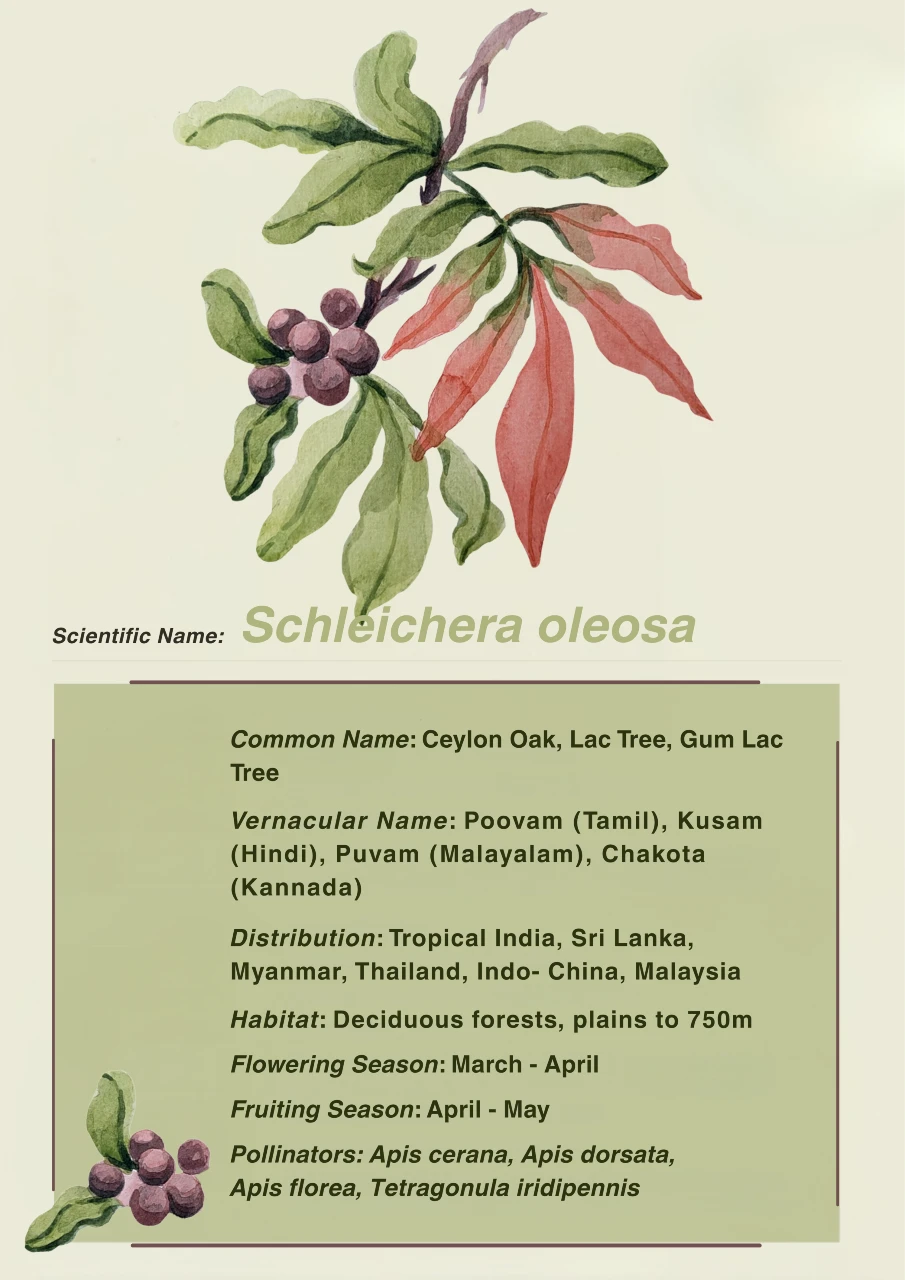
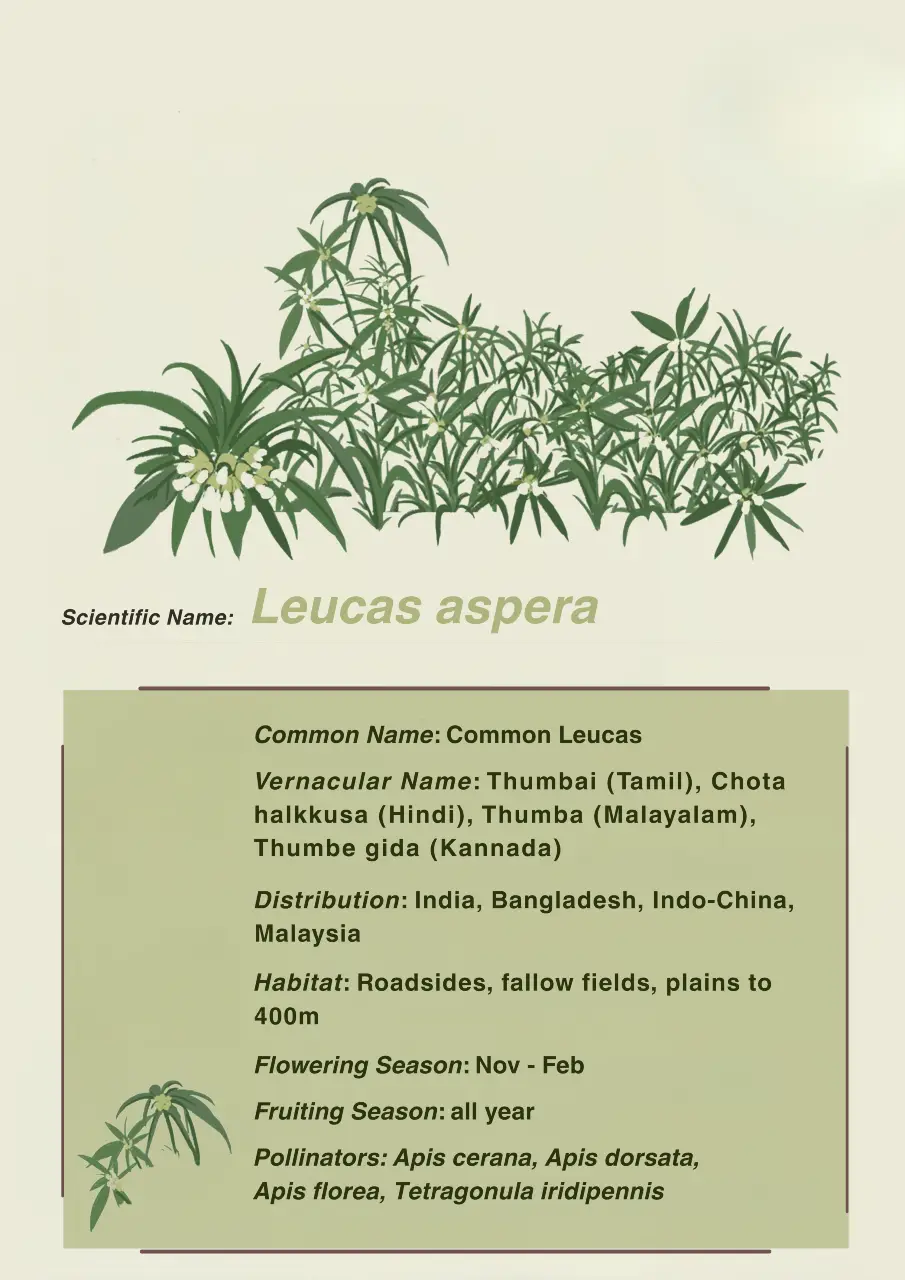
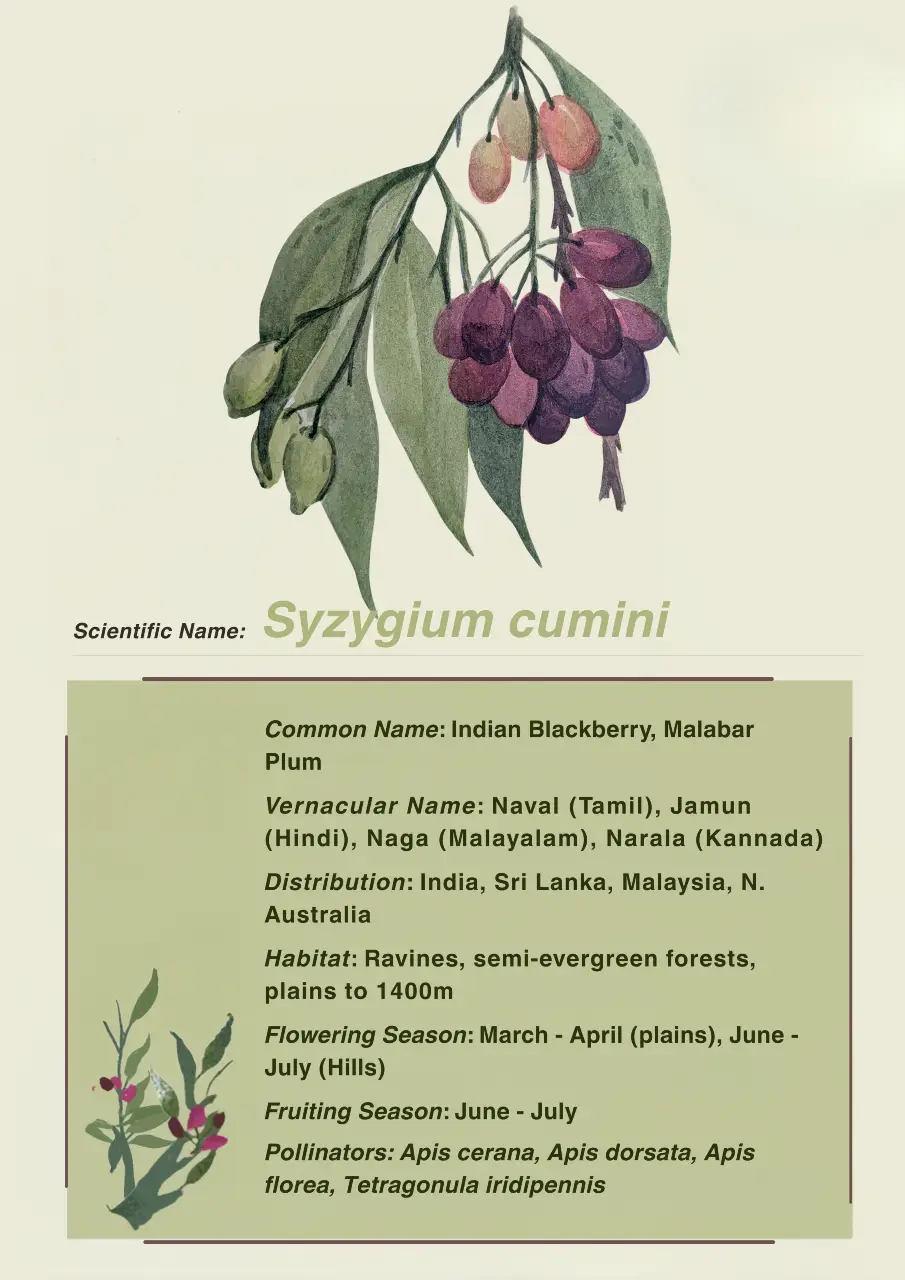
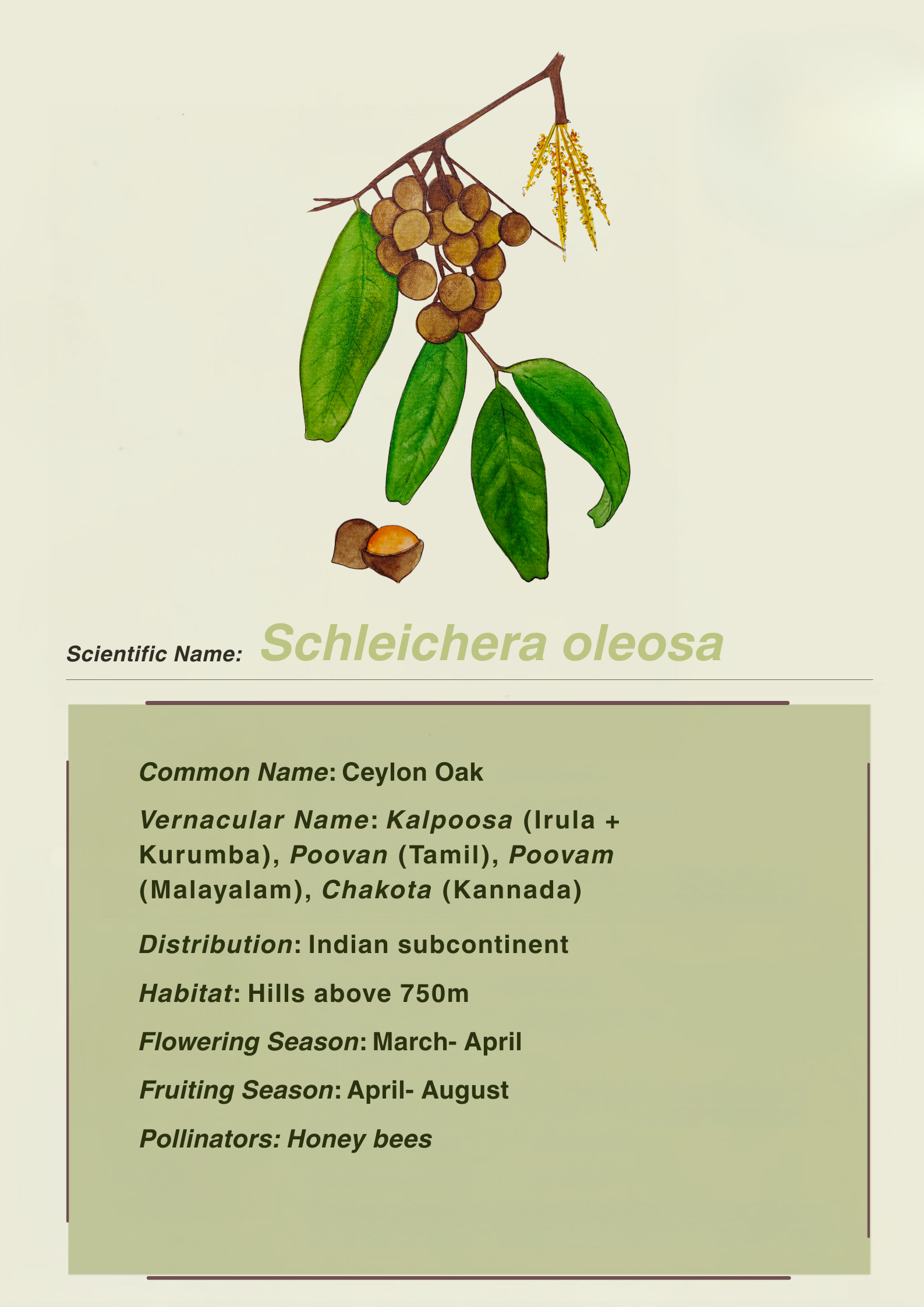
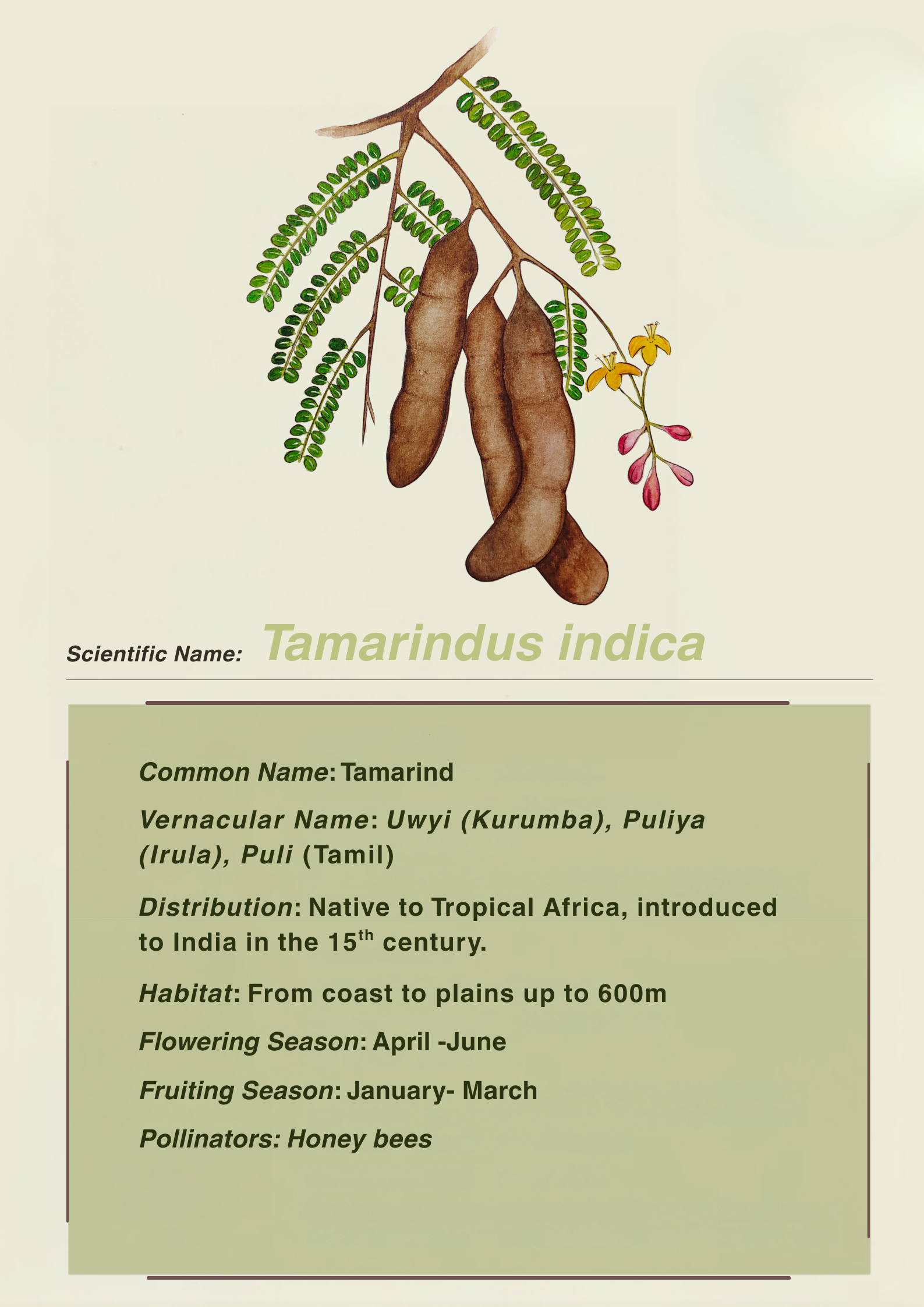
Studies have shown that there are important links between flowering and bee abundance. For example, Apis dorsata migrates in response to the availability of floral resources. In a study conducted by Keystone Foundation, bee visits to 73 species of plants were analysed within the NBR. The analysis showed that 45% of the plant species were visited by only one species of bee, 37% by two species and 18% by more than two species. The most frequent bee visitor was Apis cerana, which visited 74% of plant species. Tetragonula iridipennis visited 41% of plant species. A. florea visited 38% of plant species and A. dorsata only 27%.
The study suggests that bee diversity is higher in the wet forests. Bees also differ in their selection of plant species. Apis cerana was found to visit more plant species than the others. A. dorsata and A. florea are considered to be generalists as they often visit plant species that were visited by other bees. Flower size and shape are also thought to play an important role in attracting or limiting bee visits.
Area-wise distribution
The study also shows bee diversity in different areas of the NBR. These areas include Chamraj, Coonoor, Kotagiri, Sigur and Nilambur. The sites in Chamraj showed a high diversity of species. Coonoor showed a mixed diversity, with some sites with high visitation and species richness and other sites with low diversity. The sites in Kotagiri showed a lower diversity than those in Coonoor, perhaps due to the higher altitude montane forests. Nilambur showed a moderate species diversity, similar to Coonoor. The sites in Sigur have moderate bee presence and diversity. Coonoor and Chamraj, which showed higher diversity, have wet, evergreen and semi-evergreen sites. Kotagiri, which showed the lowest diversity, has a higher altitude with montane forests. Nilambur and Sigur, both of which had moderate diversity and presence, comprise deciduous forests.