Pollination
Pollination is essential for the sexual reproduction of flowering plants. It is the first step in the process that creates seeds and fruits, leading to new generations of plants. Pollination also plays an important role in how flowering plants evolve over time.
The process happens when pollen grains move from the male part of the flower (stamen) to the female part (pistil).
The stamen has two parts: the anther, which produces and stores pollen (containing the male gametes), and the filament, which holds the anther up.
The pistil has three parts: the stigma (a sticky surface that catches pollen), the style (a tube connecting the stigma to the ovary), and the ovary (which contains ovules with the female gametes).
When a pollen grain lands on the stigma and conditions are right, it germinates and grows a pollen tube down through the pistil until it reaches an ovule in the ovary. Fertilization then takes place, forming an embryo that later develops into a seed.
Without pollination, many species and ecological processes would collapse. Most plants—whether wild or cultivated—depend on pollination to continue their life cycle and ensure the survival of their species.
Pollen grains
The outer layer of each pollen grain is called the exine. It is very tough and does not break down easily. Because of this durability, pollen often gets preserved in soil and rocks for millions of years. Scientists study these preserved pollen grains to learn about the origin and history of plant life on land.
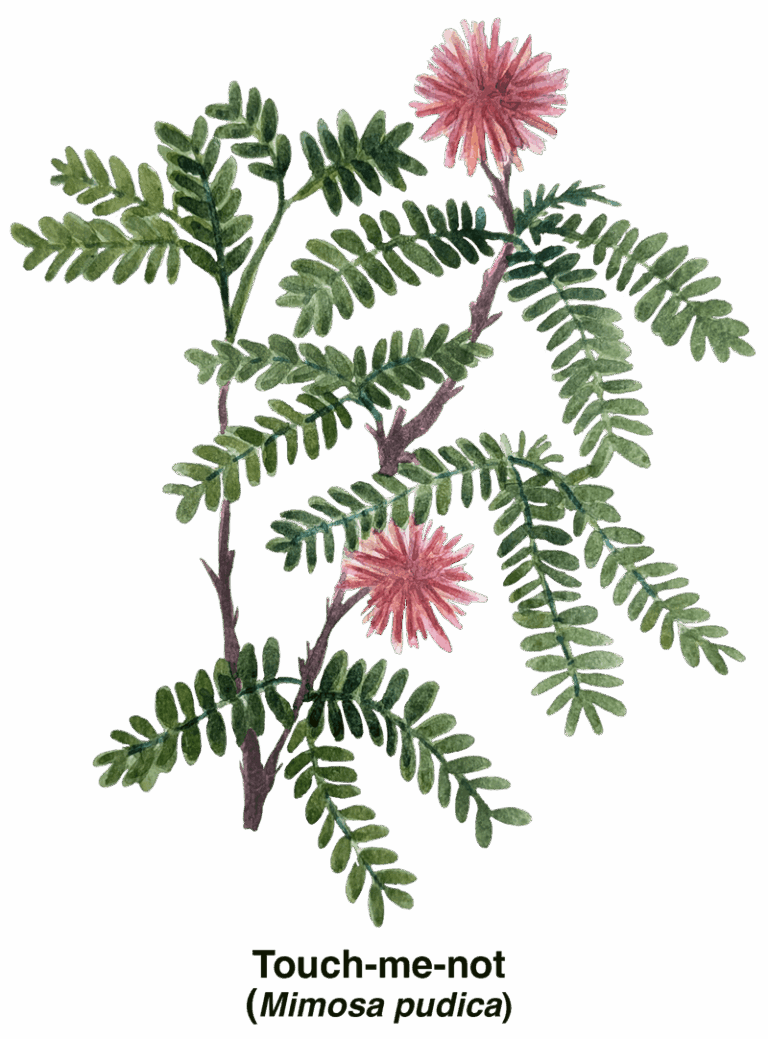
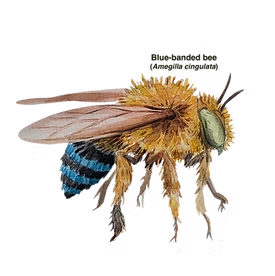
What is a Pollinator?
An agent that allows pollination to occur by carrying the pollen grain from an anther to a pistil can be considered a pollinator.
Types of Pollination
Self Pollination
Self-pollination happens when the female gamete (egg) inside an ovule is fertilized by a male gamete from pollen of the same flower. It can also happen if the pollen comes from a different flower on the same plant. In both cases, the parents share the same hereditary traits. This means the offspring show little to no variation. Because of this lack of diversity, their chances of survival are much lower in a changing environment.
Cross Pollination
Cross-pollination happens when the female gamete (egg) of one flower is fertilized by a male gamete from the pollen of another plant. This process is considered advantageous because it benefits the whole species. Here, the hereditary traits of both parent plants are combined. The offspring that result from cross-pollination show much more variation than those from self-pollination. This variation is especially useful in a changing environment, because it increases the chances of survival for the species.
Agents of Pollination
Agents of pollination are largely classified into animals, wind and water.
Animals
The most common pollinators are honey bees, birds, butterflies, bats, wasps, flies, and moths. Pollination usually happens by accident while these animals interact with flowers. For example, when an animal feeds on nectar or collects pollen, some pollen grains stick to its body. If the animal then visits another flower of the same species, the pollen is transferred, and pollination takes place.
Flowers that rely on animals for pollination often have special features to attract them. They may be brightly coloured, have strong fragrances, or produce nectar and pollen as rewards. Sometimes, the shape of the flower is adapted to suit a particular pollinator. In some cases, flowers even provide a place for insects to lay eggs, ensuring that pollination happens in the process.
Wind
Flowers that are pollinated by the wind are usually small and lack bright colours, strong scents, or nectar. Their stigmas are often large and feathery, which helps them catch pollen carried by the wind. The anthers stick out from the flower so that, when the wind blows, they can easily release their light pollen grains into the air.
Water
Some aquatic plants are pollinated by water. In this process, called hydrophily, pollen grains float on the surface of the water until they reach another flower. In certain cases, pollen can even travel underwater. However, hydrophily is quite rare—most aquatic plants are actually pollinated by insects.